

 See My Latest Article on HelloNation

Why Do Mold and Mildew Grow on Roofs in Nanticoke, PA?
Residents of Nanticoke, PA deal with a mix of humid summers, winding rivers, and densely spaced neighborhoods, making local roofs especially vulnerable to mold and mildew. Mold and mildew thrive in moist, shaded environments, often encouraged by the area’s frequent rainfall and tree cover.
The city’s climate creates periods of dampness, especially after heavy rain or during long stretches of overcast weather. These conditions allow organic debris and moisture to linger on rooftops—ideal circumstances for mold and mildew to develop. Local roofs that are mostly in the shade or under overhanging trees are more at risk, especially those with aging or worn materials.
What Do Mold and Mildew Look Like on a Roof?
Mold and mildew growth show up in distinct patterns and colors that are easy to spot if you know what to look for. Mold typically appears as irregular black, green, or even bluish patches that seem embedded in roof shingle surfaces. Mildew presents as lighter gray or white streaks or powdery films that appear where moisture consistently collects.
Specific signs include:
- Dark streaks running down shingles, especially those facing north or shaded by trees
- Blotchy, fuzzy, or patchy spots that don’t wash away in the rain
- Areas under piles of wet leaves, pine needles, or moss that look unnaturally discolored
Residents sometimes mistake regular dirt or weathering for fungi. True mold and mildew will often spread, thicken, or become more pronounced after each wet season, rather than fading over time.
How Can You Tell the Difference Between Mold, Mildew, Moss, and Algae?
It’s common for local residents to confuse moss, algae, and fungi on their rooftops, but each has a distinctive appearance:
- Mold: Usually black or deep green, spreading in blotchy spots that follow water flow paths.
- Mildew: Lighter—grayish, whitish, or pale yellow film—appearing dusty or flat, found in shaded, damp corners.
- Moss: Appears fluffy and green, often raised above shingle surfaces and soft to the touch.
- Algae: Leaves long, dark lines or stains but feels flat and slick, not fuzzy.
Touching is not recommended due to potential irritation, but with visual inspection, looking for fuzzy versus flat or raised versus stained areas can help.
Are There Health or Structural Risks from Mold and Mildew on Roofs?
Mold and mildew on roofs may not always enter living spaces, but they still pose concerns for Nanticoke households. Roof fungi can:
- Accelerate asphalt shingle aging and wear
- Attract insects or pests by holding moisture
- Cause roof deck rot where leaks allow fungi to penetrate
- Lower curb appeal in neighborhoods where home appearance matters
In rare cases, if mold and mildew penetrate beneath shingles and reach attic structures, spores can circulate indoors, aggravating allergies or respiratory conditions. It’s wise for residents to address visible growth before it spreads beyond the rooftop.
How Can You Spot Mold and Mildew Early?
Early identification prevents larger issues. After local rains or snowmelt, check for new discolorations, especially:
- Near gutters or roof edges where water pools
- On low-slope sections where drainage is slow
- In places under tree branches or near heavy foliage
A basic visual inspection from the ground works for most homes. If a neighbor’s roof looks streaked or patchy, that can signal similar conditions in nearby yards—shared tree cover, humidity, and roof orientations often lead to widespread problems within a block.
What Conditions Allow Mold and Mildew to Grow More Easily on Local Roofs?
Several local factors in Nanticoke promote fungal roof growth:
- Dense tree cover shading large roof areas for most of the day
- Gutters clogged with leaves that overflow, soaking roof edges
- Slow-draining roof valleys and low sections where rain collects
- Older homes with less efficient roof ventilation or insulation
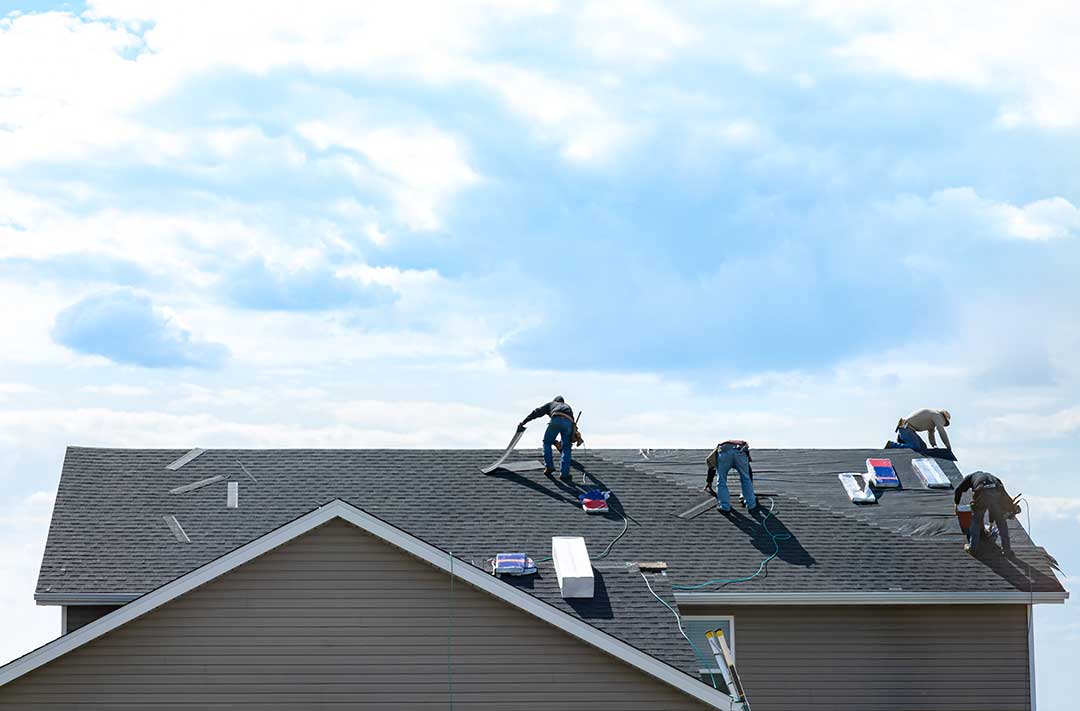
Residences closely spaced together may create microclimates—shady, moist pockets where sun and wind can’t dry out roof surfaces quickly.
What Are Common Mistakes People Make When Identifying Roof Stains?
Residents sometimes assume all discoloration is harmless dirt or staining. Common errors include:
- Ignoring black streaks as “just aging” instead of recognizing fungal streaks
- Power washing roofs, which can spread spores and accelerate shingle wear
- Assuming surface cleaning eliminates deeper mold problems (growth can penetrate below shingle surfaces)
Another misconception is that mold and mildew only form under trees or in visible shade. Even roofs in direct sun can develop growth after a wet season, especially in valleys and gutter zones.
When Should More Serious Action Be Taken?
If large swaths of roof are covered in thick, dark growth or if roof valleys remain damp and slippery for days, there could be hidden leaks or poor drainage. If fungal growth has caused visible shingle curling, surface erosion, or visible deck damage in attic spaces, it could point to compromised roof integrity.
For most cases, homeowners can safely observe and monitor the situation. However, climbing on roofs to inspect or treat extensive mold is unsafe without proper training and equipment. Local regulations advise against scraping, brushing, or spraying chemicals from height unless you’re fully prepared and aware of safety risks.
What Preventive Steps Can Local Households Take?
Basic roof maintenance and seasonal awareness go a long way.
- Remove leaves, moss, and debris promptly from roof surfaces and gutters
- Trim tree branches to increase sunlight and airflow around the roof
- Keep attics well ventilated to discourage moist conditions under shingles
- Look for patterns after severe weather—new streaks or spots can signal drainage issues or developing fungi
Regular inspection, especially after storms and in early spring when moisture lingers, lets residents address mold and mildew before they cause long-term damage.