

 See My Latest Article on HelloNation
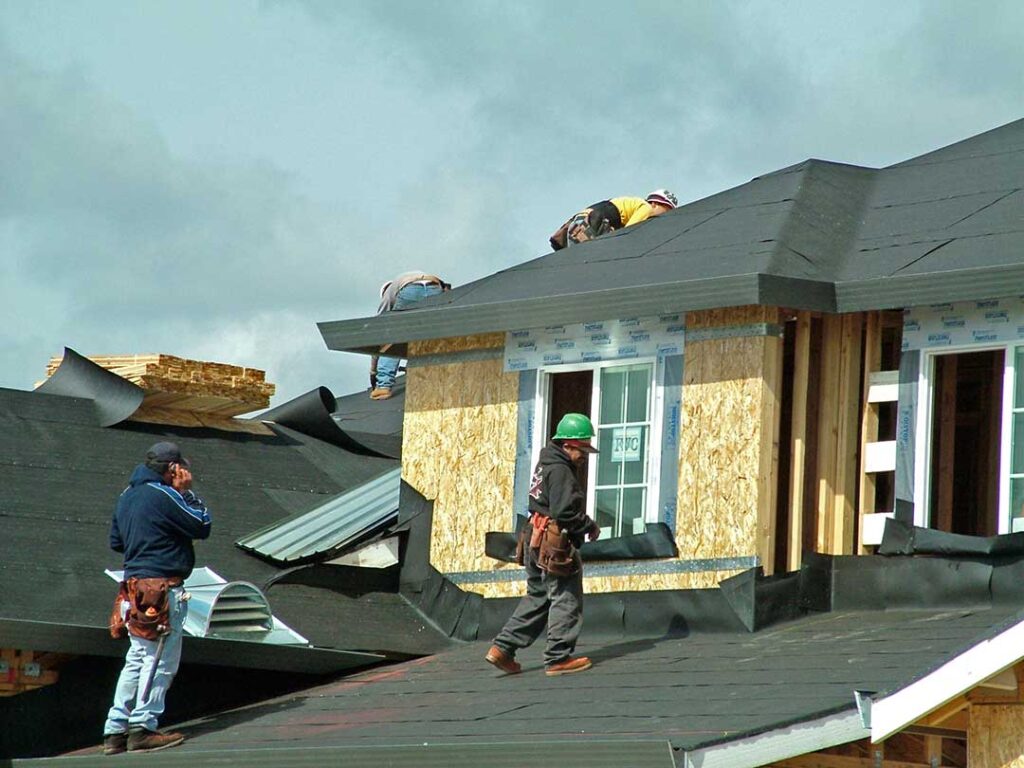
Why Does Roof Maintenance Matter for Homes in Nanticoke, PA?
Regular upkeep extends the life of a roof and helps prevent unexpected—and often costly—repairs. In the Nanticoke area, high winds, heavy snowfall, and seasonal temperature swings put stress on both asphalt and metal roofs. Keeping an eye on roof health means avoiding water intrusion, mold, insulation problems, and higher energy bills.
Winter ice dams and spring rainstorms are common concerns for local homeowners. By spotting small issues early, residents can avoid more severe leaks and structural damage—especially given the age mix of houses in local neighborhoods.
What Maintenance Can You Do Safely?
Homeowners can perform basic, visual inspections and simple cleaning as long as they prioritize safety. Most tasks involve evaluating gutters, shingles, and roof surfaces from the ground or a stable ladder. Work on dry days, keep someone aware that you are outside, and use shoes with strong grip if you need to climb.
Tasks often manageable for local residents include:
- Removing debris from gutters and valleys
- Checking for missing or cracked shingles
- Looking for signs of moss or algae
- Examining flashing and roof penetrations (vents, chimneys)
For steep, tall, or damaged roofs, or if electrical lines are present, it is safest to inspect from the ground using binoculars.
How Often Should You Check Your Roof?
In areas like Nanticoke that experience four distinct seasons, twice a year is generally enough: once in spring after snow and ice have melted, and again in fall after leaves have dropped. If a major storm brings hail, wind, or heavy rain, conduct a quick follow-up inspection to spot loose material or fallen branches.
Missed inspections are common when snow lingers into spring or if family routines get busy during back-to-school months. Setting a reminder based on local weather patterns—such as right after the last significant frost—can make routine checks easier to remember.
What Are Signs of Roof Trouble Residents Should Watch For?
Roof issues are often subtle at first. Watch for:
- Granules collecting in gutters (suggesting asphalt shingle wear)
- Shingle edges curling or missing altogether
- Dark, wet, or sagging patches on ceiling interiors
- Daylight visible from the attic around chimneys or vents
- Rust on metal roofing or flashing
- Persistent green moss or black streaks along north-facing slopes
A common misconception is that leaks always drip directly below the problem. In reality, water can travel several feet sideways along beams before appearing in a ceiling.
What Tools and Supplies Are Needed for DIY Maintenance?
Most basic maintenance involves simple, accessible supplies:
- A sturdy ladder (preferably extendable)
- Work gloves and non-slip footwear
- Long-handled brush or blower for leaves
- Garden hose for gently flushing gutters
- Plastic scoop for cleaning out gutter debris
- Binoculars for safer ground inspections
It’s best to avoid using pressure washers, which can damage shingles and force water beneath the surface.

Are Gutter Cleaning and Maintenance Essential?
Functional gutters direct water away from the roof and foundation. In the city, frequent autumn leaf fall and spring flower debris can cause backups, so keeping gutters clear protects siding, basements, and crawl spaces as well as the roof itself.
If gutters overflow, water may run under the shingles or freeze into destructive ice dams in winter. Use gloved hands, a scoop, or a garden trowel to remove leaves and twigs. Always ensure downspouts are clear and water drains at least a few feet from your foundation.
How Can Local Residents Address Moss and Algae?
Moss and algae thrive in shaded, damp sections of roofs, particularly on older asphalt shingles and north-facing slopes. These growths hold moisture, leading to shingle decay. Residents often notice these as green clumps or black streaks after wet spring or early summer weather.
To remove small patches:
- Gently sweep away loose moss with a soft brush—avoid scraping or using sharp tools.
- Apply a diluted solution of water and mild detergent or a cleaner labeled safe for roofing (never bleach straight up, as it can weaken shingles and harm landscaping below).
- Rinse with a garden hose from above downwards—avoid spraying water upward beneath shingles.
- Trim back overhanging branches if feasible to promote sunlight and faster drying.
For persistent growth, addressing excess shade and moisture goes further than repeated chemical application.
What Roof Maintenance Should Be Avoided Without Professional Help?
Safety comes first. Residents should avoid:
- Walking on wet, icy, or steep roofs
- Attempting repairs near overhead wires
- Removing large branches tangled in roof materials
- Replacing flashing, large roof sections, or undertaking repairs after significant storm damage
These situations carry fall and electrical hazards or risk voiding any material warranties. Minor fixes—like replacing a single shingle—are sometimes possible, but extensive work needs established expertise to avoid making the issue worse.
How Does Local Weather Impact Maintenance Routines?
In the Nanticoke area, freeze-thaw cycles and snowpack are tough on all roof designs. Detached structures, porches, and additions are especially prone to ice dam formation. Heavy spring rains test all seals and flashing after a winter of contraction and expansion.
Scheduling maintenance just after the last typical snow and before heavy autumn leaf drop usually aligns with the most common local challenges. Roofs that shed snow unevenly may have lingering wet patches or loosened shingles that need a careful look at the season’s change.