

 See My Latest Article on HelloNation
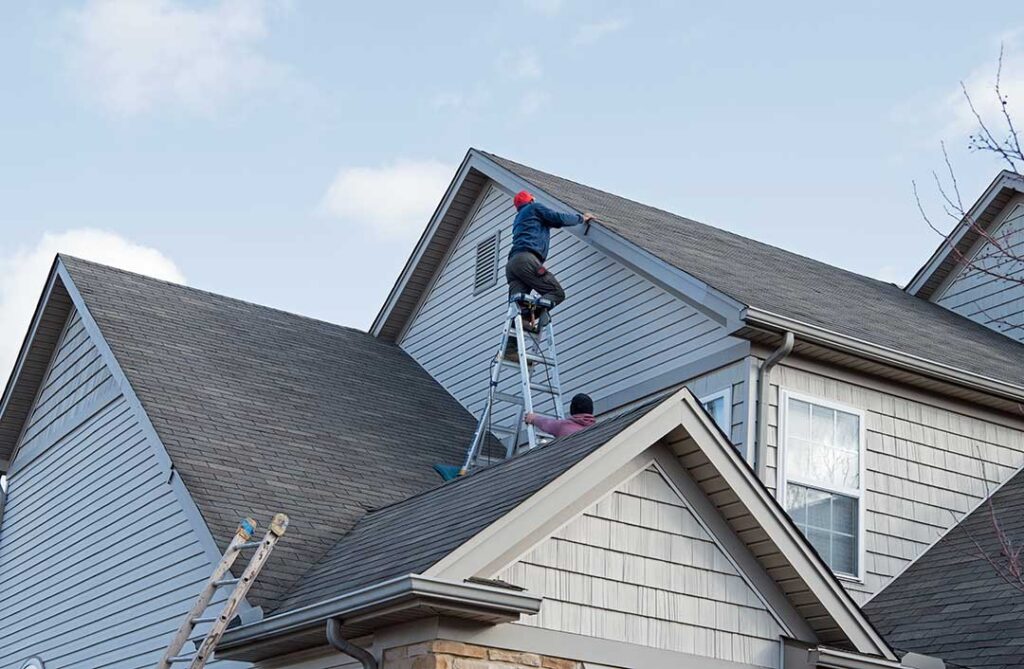
What Are the Most Common Reasons Roofs Leak in Nanticoke, PA?
Roof leaks in Nanticoke, PA, are usually the result of multiple factors working together, not just one big failure. Local residents often find leaks start small and gradually worsen as weather and time wear down roofing materials. Understanding the frequent causes helps area homeowners spot problems before water intrusion leads to costly repairs.
How Do Weather Patterns in Nanticoke Influence Roof Leaks?
Frequent freeze-thaw cycles, heavy rains, and winter snow accumulation in the region play a key role in roof leak development. Water finds its way into even tiny gaps, and as temperatures drop, it can freeze and expand, making those spaces wider.
- Melting snow and ice can cause ice dams at the roof edge, forcing water under shingles.
- Heavy spring rains often reveal leaks that have slowly developed during winter's harsh conditions.
- Wind-driven storms can loosen shingles or expose vulnerable seams.
Being aware of these local climate factors helps homeowners understand why even a well-maintained roof may eventually show signs of leakage.
Why Do Flashings Fail So Often?
Flashings are thin pieces of metal installed where roofing meets structures like chimneys, skylights, or walls. When these metal strips loosen, corrode, or were improperly installed, they become weak points for water entry.
Many leaks in the city start with flashing failures, especially in older homes or where earlier roofing work wasn’t done to current standards. Quite often, sealant around flashings dries out or cracks, allowing water to seep in unnoticed for months.
Are Missing or Damaged Shingles a Major Culprit?
Yes, damaged, missing, or aging shingles are among the top causes of roof leaks throughout the area. In Nanticoke’s climate, shingles can be lifted by wind, broken by falling branches, or deteriorated by sun exposure over years.
Homeowners are sometimes surprised to discover that only a few missing shingles on a wide roof can lead to big leaks, especially during a heavy rainstorm. It’s not always the whole roof showing problems—small areas can cause outsize damage if left unattended.
What About Problems Around Roof Penetrations?
Any place where something punctures the surface of your roof—vents, pipes, satellite mounts, or attic fans—is particularly prone to leakage. The seals or rubber boots protecting these openings can age, shrink, or crack.
Local residents who notice leaks after new installations (such as a vent or antenna) often find the issue is simply degraded or improperly installed sealing materials, which are especially vulnerable in the damp, chilly spring and fall seasons.
Can Clogged Gutters and Downspouts Contribute to Roof Leaks?
Absolutely. Gutters and downspouts play a direct part in keeping roofs leak-free by channeling water off the roof and away from the house. When gutters fill up with leaves, pine needles, or other debris, water can back up under the roof edge or fascia, leading to hidden leaks.
Nanticoke’s tree-lined streets and mature landscaping add beauty but also make gutter maintenance a regular necessity for many homeowners. Overlooked gutters are a commonly missed cause of mysterious attic or wall leaks.
Do Poor Attic Ventilation and Insulation Cause Roof Leaks?
Insufficient ventilation or poorly installed insulation don’t let the roof "breathe," leading to excess heat and moisture buildup in the attic. This encourages ice damming in winter, with water sitting and potentially finding hidden ways beneath roof coverings.
Area homes with older or improperly insulated attic spaces often see increased roof problems, especially in sections over bathrooms or kitchens where warm, moist air collects and condenses on cold surfaces.
Are Chimneys, Skylights, and Dormers Extra-Prone to Leaks?
Chimneys, skylights, and dormers bring light and architectural character but often introduce extra risk for leaks because their design usually requires extra cuts, seams, or flashing.
Local homes with brick or stone chimneys sometimes develop leaks at the joint between chimney and roof, even if the masonry itself seems intact. Similarly, skylights and dormers can have seals that dry out or shift, which is sometimes mistaken for direct glass failure when the issue is actually at the edges.

How Do Old Roofs Differ from Newer Ones in Terms of Leak Risks?
Roofs over 15-20 years old in Nanticoke have often faced cycles of extreme cold, direct sun, and driving rain that eventually wear out layers of protection. As granules loosen from shingles and underlying felt or underlayment degrades, water finds easier pathways into the home.
Older homes in the city may also have original roofs or materials no longer up to modern codes, increasing the risk of slow leaks that go unnoticed until major repairs are needed.
Can Improperly Done Roof Work Lead to Early Leaks?
Poor repairs or rushed installations often leave gaps, exposed nails, or missing sealants—all of which become future leak sources. Sometimes, temporary fixes after emergency repairs hold for a season but fail under the city's unpredictable weather.
If a new leak appears soon after recent repair work, it’s often a sign that something was missed or not correctly repaired, especially in tricky areas like valleys, ridges, or flashing zones.
What Are Some Signs of Hidden Roof Leaks?
Not every leak is immediately obvious as water dripping from the ceiling. Locals sometimes first spot signs like:
- Discolored ceiling patches or bubbling paint
- Mold or mildew odors in upper rooms or attic spaces
- Peeling wallpaper or warped wood near roof edges
- Unexplained energy bill increases due to lost insulation value
These subtle clues deserve a close look, especially if the home has known risk factors like nearby trees, aging shingles, or recent storm damage.
How Can Local Homeowners Reduce Risk and Catch Problems Early?
Routine visual inspections (especially after storms), cleaning gutters before major rainy seasons, and watching for changes in the attic can help catch small issues before they become major leaks.
Understanding that weather, maintenance habits, and aging materials all play a role prepares homeowners in the community to better protect their roofs year-round, preventing costly surprises.