

 See My Latest Article on HelloNation
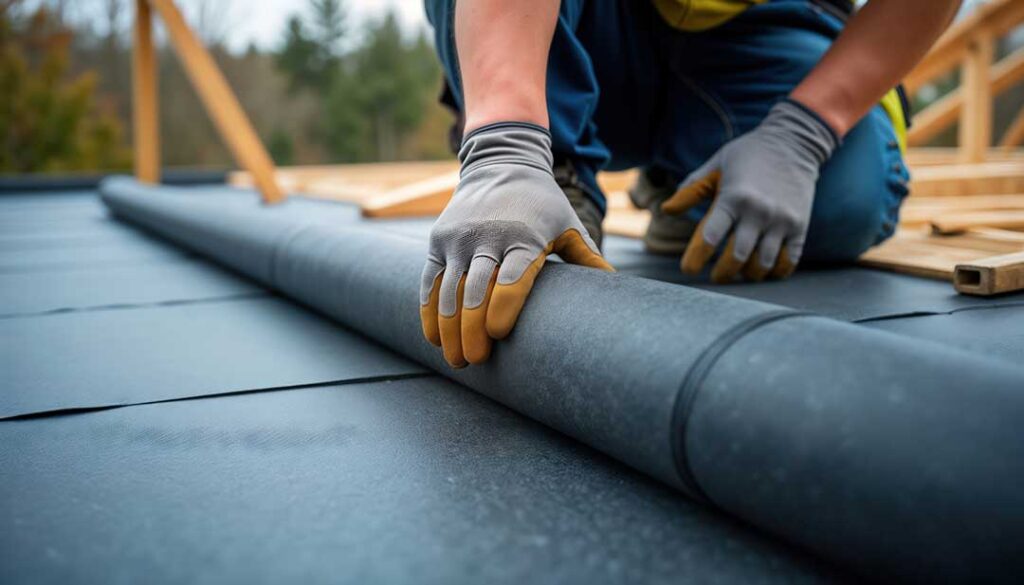
Why Are Roof Inspections Essential for Nanticoke, PA Homeowners?
Regular inspections help households in the area spot problems early and avoid larger, costlier repairs. The region’s four-season climate—with cold winters, spring rains, and the occasional summer storm—puts unique stress on roofs. By checking for wear, leaks, and damage, residents can extend the life of their roofing and maintain healthy, safe homes.
Understanding local conditions, like freeze-thaw cycles or wind from valley geography, allows residents to maintain roofs proactively rather than reactively.
How Often Should Local Residents Inspect Their Roofs?
The average home in the city benefits from two roof checks per year: one in spring, after winter ice and snow have passed, and another in autumn ahead of freezing weather. Major weather events such as heavy hail, high winds, or significant storms also warrant a spot inspection, as sudden damage is most easily mended when caught early.
What Should a Home Roof Inspection Include?
A comprehensive inspection starts from the ground and covers all visible and accessible parts of the roof’s surface and supporting structure:
- Shingles or Roofing Material: Check for cracks, curling, missing pieces, or granule loss (for asphalt options).
- Flashing: Inspect metal strips around chimneys, vents, and valleys for rust or displacement.
- Gutters and Downspouts: Ensure these are securely attached, free of debris, and divert water away efficiently.
- Soffit and Fascia: Look for sagging, holes, or spots with rot, which signal moisture problems.
- Attic Interior: From inside the home, especially in older houses (common in this community), look for water stains, damp timber, or daylight through boards.
- Fasteners and Seals: Examine visible nails, screws, and sealant for signs of lifting or weathering.
What Signs of Roof Trouble Are Easy to Miss?
Many issues slip through quick visual checks. For example, damaged underlayment beneath shingles, small cracks at flashing joints, or persistent moss and algae growth might go unnoticed but signal deeper moisture or structural concerns. Occasionally, a musty attic smell or unexplained interior paint peeling traces back to minor leaks.
It is also easy to overlook subtle dips or uneven surfaces that can alert you to decking problems or sagging supports.
Are There Local Weather Factors That Affect Roofs More Than Others?
Homes in Nanticoke experience harsh winters and rapid temperature swings. The frequent freeze-thaw cycles can:
- Loosen or crack shingles
- Cause ice dams along roof edges
- Worsen small leaks or gaps over time
Additionally, spring rains may exploit weakened spots, leading to hidden water intrusions. Summer storms, while less consistent, can lift loose materials or blow debris onto older roofs.
Can Most Inspections Be Done Safely by Homeowners?
Basic exterior and attic inspections are safe for most residents when handled with care, using binoculars for distant views and sturdy ladders for closer access. However, walking directly on steep, wet, old, or damaged roofs is not advisable.
Extensive structural issues, signs of sagging, or suspected electrical hazards should be approached cautiously. For suspected safety hazards, local codes often require special care, especially in older housing stock where structural supports may be weaker.
What Are Common Misconceptions About Roof Maintenance?
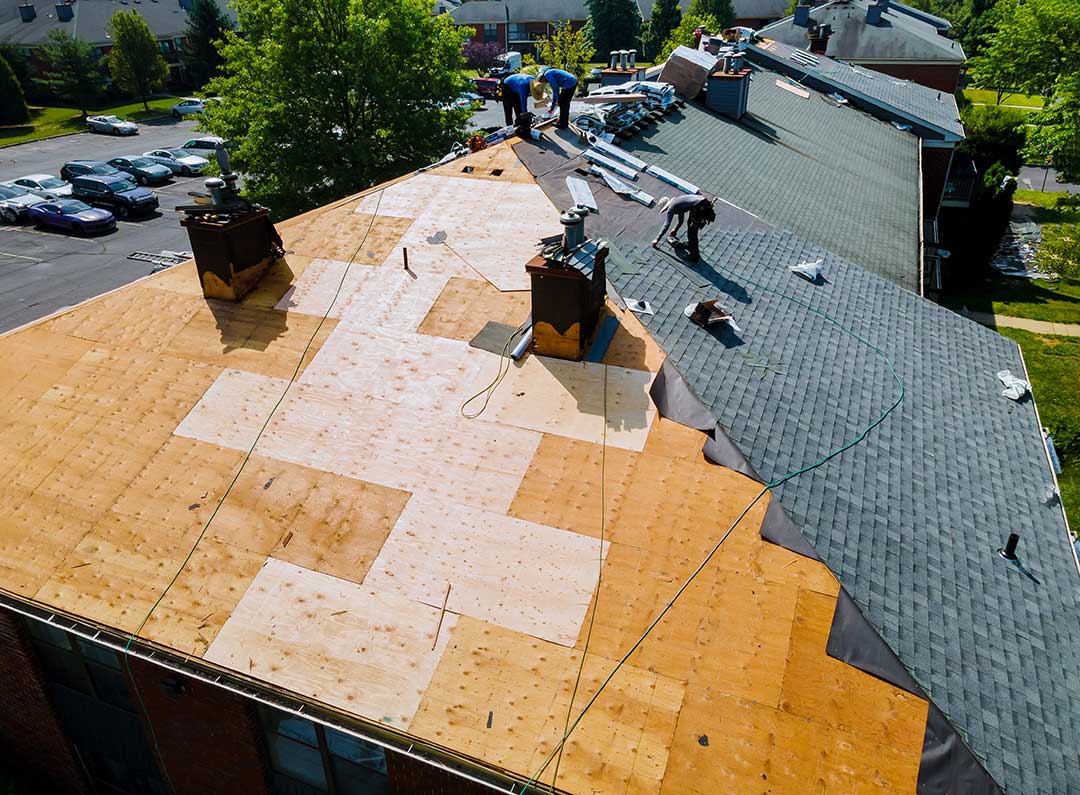
Residents may believe small leaks or minor shingle loss can wait a season without harm. In the city’s climate, delayed maintenance tends to accelerate rot, increase moisture damage, and lead to attic mold.
Another misconception is that gutters and downspouts don’t directly affect roof condition. Inefficient drainage often results in water backing up under shingles or freezing into ice dams.
Finally, many think new roofs are maintenance-free for many years. Tree debris, wind-blown branches, and animal activity can cause new problems even within the first few seasons.
How Can Residents Proactively Protect Their Roofs Between Inspections?
Simple steps keep roofs in better shape throughout the year:
- Remove fallen branches, leaves, and debris from the roof and gutters, especially after storms
- Check attic vents for clear airflows, which prevent condensation buildup
- Ensure insulation is adequate, helping to stop ice dam formation in winter
- Trim tree limbs that overhang the roof, reducing shade, debris, and animal access
Monitoring attic humidity and watching for signs of dampness inside can give early warnings even before exterior problems are visible.
When Should a Professional Roof Inspection Be Considered?
Most local households handle visual checks themselves. However, consider seeking outside expertise if:
- The roof is very steep, tall, or difficult to access without specialized equipment
- There are signs of major structural movement (sagging, extensive leaking, or visible light from the attic)
- Unexplained, persistent moisture or mold is detected in insulation or rafters
- Recent severe weather has left debris, fallen limbs, or suspected hail damage
For older homes common in the city, safety and code compliance should always supersede DIY efforts when roof integrity is in real doubt.