

 See My Latest Article on HelloNation
What should be checked first after a storm?
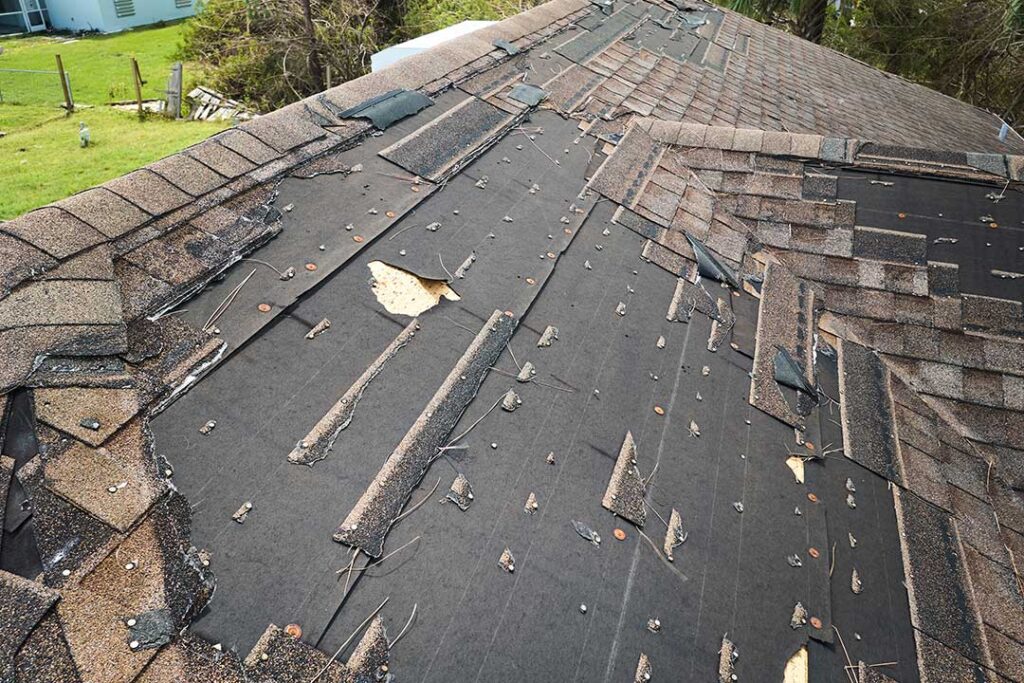
After a storm, begin with safety rather than the roof itself. Look for immediate hazards from the ground, then check the attic and upper floors for signs that water or wind has entered the home.
Storm damage is not always obvious. Missing shingles may be easy to see, but lifted edges, small punctures, damaged flashing, and wet insulation can remain hidden until the next rainfall. In Nanticoke, PA, homes may also face heavy rain, strong wind, snow, ice, and rapid temperature changes, so a roof should be checked after more than just severe thunderstorms.
Do not climb onto the roof if it is wet, icy, steep, unstable, or surrounded by fallen branches or electrical hazards.
How can roof damage be inspected safely from the ground?
A ground-level inspection can reveal many common problems without creating a fall risk. Walk around the home and look at the roof from several angles, using binoculars if needed.
Check for:
- Shingles that are missing, curled, cracked, torn, or visibly out of place
- Dark areas where shingle surfaces appear scraped or stripped
- Exposed underlayment, roof decking, or lighter-colored patches
- Sections of roofing that look uneven or raised
- Metal flashing around chimneys, vents, skylights, and roof edges that appears bent or displaced
- Gutters or downspouts that are detached, sagging, dented, or filled with roofing material
- Tree limbs, branches, or other debris resting on the roof
- Granules collected below downspouts or in large piles near the foundation
A few loose granules are normal, especially on an older roof. A sudden increase after a storm may indicate surface damage. Hail can also leave round dents in shingles, metal vents, gutters, siding, or outdoor equipment. These marks may be subtle, so compare several areas rather than judging the roof from one spot.
What signs of storm damage can be found inside the home?
The attic is often the first place where a roof leak becomes visible. Inspect it as soon as it is safe, especially after heavy rain.
Look for:
- Damp or discolored roof decking
- Wet insulation or insulation that has clumped together
- Water stains on rafters, trusses, or the underside of the roof
- Dripping or recently wet areas
- A musty smell that was not present before the storm
- Daylight showing through the roof boards
- Damp electrical components, wiring, or fixtures
Also inspect ceilings and upper-floor walls. A brown or yellow stain may appear far from the actual roof entry point because water can travel along framing, insulation, or wiring before reaching the finished ceiling.
A ceiling stain does not always mean the leak is active at that moment. Roofing leaks may only appear during wind-driven rain, melting snow, or rainfall from a particular direction. Mark the outer edge of any stain with a pencil and write down the date. If the mark expands, the area is still receiving moisture.
Which roof areas are most vulnerable after wind or hail?
Storm damage often occurs at transitions and edges rather than in the middle of a roof slope. Pay close attention to areas where roofing materials meet another surface.
Commonly affected locations include:
- Ridge caps along the roof peak
- Eaves and rake edges
- Valleys where two roof sections meet
- Flashing around chimneys, plumbing vents, skylights, and wall intersections
- Areas beneath overhanging trees
- Older sections that have already experienced cracking or weathering
- Low-slope portions where water drains slowly
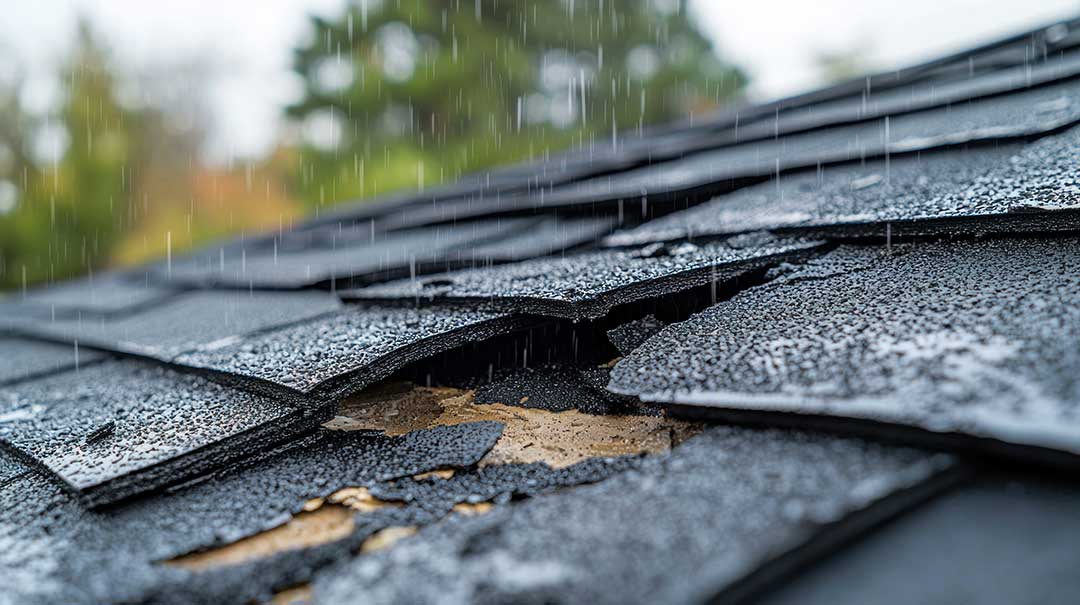
Wind may lift shingles without removing them completely. A shingle can look nearly normal from the ground while its seal has broken or its lower edge has loosened. Hail may bruise the shingle mat beneath the surface, creating damage that is difficult to identify without close inspection.
Do not assume a roof is undamaged simply because no shingles are lying in the yard. Roofing materials can be blown away, moved onto another part of the roof, or left partially attached.
What should be done if a tree limb or debris is on the roof?
Leave large debris in place unless removing it can be done safely from the ground. Walking on a roof to move a branch can cause additional damage and may lead to a fall. A fallen limb may also be pressing on rafters, shingles, vents, or gutters.
If debris has created an opening and rain is entering, place a container under the drip indoors and move valuables away from the affected area. Do not puncture a ceiling that is bulging with water. A swollen ceiling can be heavy and may release water suddenly.
Stay away from areas where a fallen tree or branch has contacted electrical lines. Wet roofing materials, metal gutters, ladders, and tree limbs can all increase the danger of electrical contact.
How should temporary water control be handled?
Temporary protection is useful only when it can be done without climbing into a hazardous area. If water is entering through a visible opening, a tarp may reduce additional damage, but placing one on a roof can be dangerous in wind, rain, or icy conditions.
Inside the home:
- Use buckets or containers under active drips.
- Protect furniture and flooring with plastic sheeting or towels.
- Move electronics away from wet areas if they can be moved safely.
- Turn off power to a wet electrical area only if the shutoff can be reached without standing in water.
- Keep children and pets away from damaged ceilings, attic openings, and wet flooring.
Temporary measures do not repair the roof. They are intended to limit interior damage until conditions allow a proper evaluation.
Should roof damage be photographed?
Yes. Photographs taken from the ground, attic, and interior rooms can help document what changed after the storm. Take wide images that show the location and closer images that show the detail. Include damaged gutters, siding, exterior vents, fallen branches, and water stains when relevant.
Photograph the area before moving debris or making temporary changes, but do not delay urgent safety measures simply to document damage. Keep a brief record of the storm date, approximate time, weather conditions, rooms affected, and any changes noticed afterward.
When is it unsafe to inspect the roof personally?
A roof should not be climbed when it is wet, icy, snow-covered, steep, visibly sagging, structurally damaged, or covered with debris. Avoid ladders near power lines and do not use a ladder on unstable ground, soft soil, ice, or sloped surfaces.
Professional evaluation is warranted when there is structural movement, a large opening, extensive water entry, damaged electrical equipment, a fallen tree, or uncertainty about whether the roof can support a person. Safety is also a concern when the roof is too high to inspect without specialized equipment.
The most useful post-storm inspection combines a careful ground survey, an attic check, interior moisture monitoring, and clear documentation. A roof that appears intact from the street may still have loose materials or concealed water damage, so checking again after the next rainfall can reveal problems that were not visible immediately after the storm.