

 See My Latest Article on HelloNation
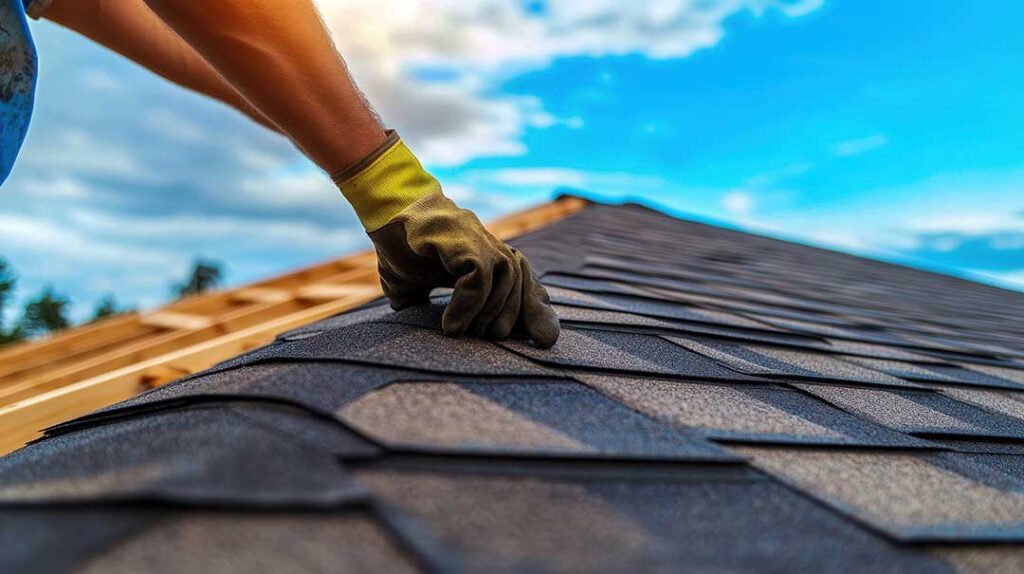
How Does Weather Affect Roofs in Nanticoke, PA?
Roofing in Nanticoke, PA is directly shaped by the area’s mix of cold winters, humid summers, and year-round precipitation. Weather events can gradually weaken roofing materials, reduce performance, and shorten lifespan. Residents benefit from understanding which local weather conditions are most significant and how they interact with common roofing types.
Which Weather Conditions Are Toughest on Local Roofs?
Cold winters with repeated freeze-thaw cycles, humid summers, heavy rainfall, and occasional windstorms are primary causes of roof wear locally.
- Ice: Persistent cold means snow and ice can accumulate on roofs for weeks. As snow melts and refreezes, water may seep into cracks, then expand as it freezes again, slowly prying shingles or tiles apart. This is a significant factor for roofs with older or brittle materials.
- Heat and Sun: Warm months bring UV radiation that can dry out and weaken asphalt shingles, causing curling or cracking. High humidity can also encourage moss or algae growth, especially on shaded or north-facing slopes.
- Rain and Moisture: Rainwater repeatedly exposes flashing, valleys, and any existing gaps. Water can find its way under lifted shingles, leading to leaks, mold, or wooden structure rot, especially if attic ventilation is poor.
- Wind: While the community is not known for hurricane-force winds, occasional strong gusts, thunderstorms, and winter nor’easters can dislodge loose shingles or tiles. Exposed ridges, edges, or poorly nailed sections are especially susceptible.
How Can Freeze-Thaw Cycles Cause Roof Damage?
Temperature swings above and below freezing are uniquely challenging for area households.
After snow or rain, water may seep into tiny gaps in roofing materials. As temperatures drop overnight, water turns to ice and expands, pushing materials apart. Repeated cycles create larger openings and can eventually loosen shingles or flashing. Valleys and roof edges see the most concentrated effects, with ice dams forming when melting snow refreezes at the eaves, blocking proper runoff and sending water backward under shingles.
Neglecting to remove heavy snow or not ensuring attic ventilation can increase risk. Simple maintenance like checking for loose shingles after major weather events can help limit long-term damage.
Are Local Roofs Prone to Moss or Algae?
Moss and algae take hold more easily in climates with regular moisture and periods of warmth.
Nanticoke’s frequent rain, combined with humid summers, creates good conditions for biological growth—especially in shaded spots or parts of roofs that dry slowly after storms. Moss can lift shingles as it grows, accelerating water infiltration and rot. Algae—often seen as black or green streaks on asphalt shingles—can hold moisture against surfaces and lead to early deterioration over several seasons.
Many residents overlook these issues because moss or algae doesn’t cause obvious leaks at first. However, unchecked growth over years may significantly shorten a roof’s lifespan or adversely affect curb appeal.
Why Do Some Parts of the Roof Wear Out Before Others?
A roof is not equally exposed on all sides, so some sections age faster due to sun angle, local wind patterns, and tree cover.
- South- and west-facing slopes endure the most sun exposure, speeding up shingle wear and fading.
- North-facing areas stay cool and damp longer, encouraging moss, lichen, and algae.
- Roof valleys, corners, and eaves receive concentrated rain, snow, and ice loading, especially if gutter maintenance is inconsistent.
- Sections under large, overhanging trees may accumulate leaves and debris, trapping moisture and fostering decay.
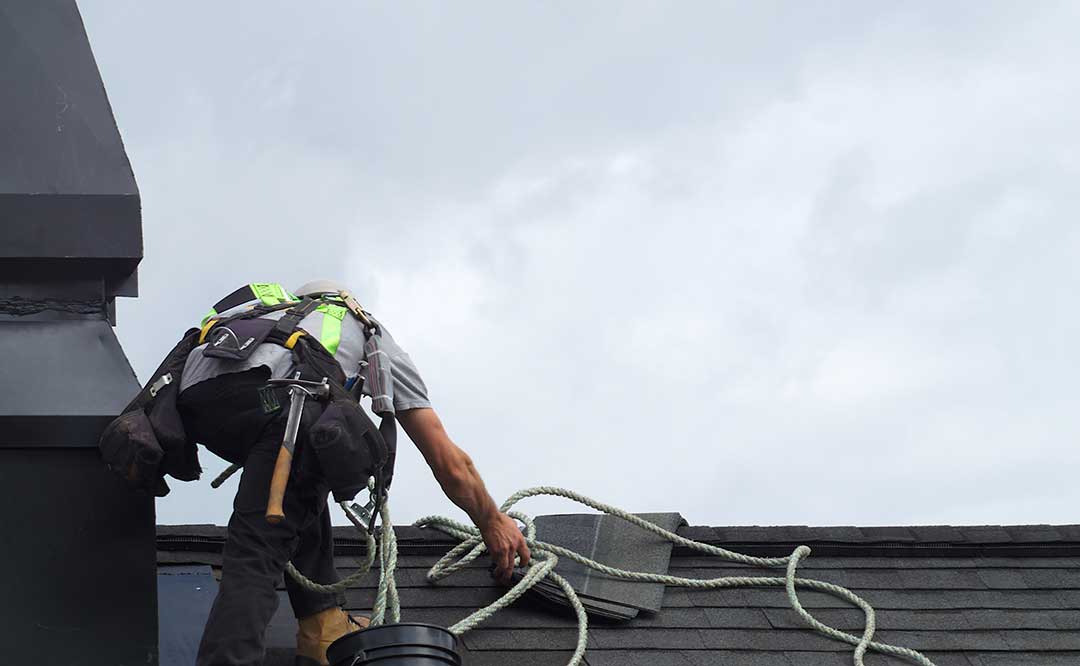
Understanding which areas get the worst exposures can help local residents prioritize maintenance or spot trouble earlier.
Does Local Topography or Housing Style Matter?
Roofs in neighborhoods with open exposure, such as the higher elevations outside downtown, often experience stronger wind-driven rain and more extreme temperature swings than those blocked by nearby homes or trees. The city’s mix of older single-family homes and modest row houses shapes typical roof slopes and construction, with steep-pitched roofs shedding snow better but potentially suffering more ridge wind damage, while flatter roofs may hold moisture longer after storms.
In some parts of the community, historic or architectural design choices may limit roofing material options, making regular inspection more crucial where less weather-resistant materials are in use.
What Routine Habits Help Local Residents Protect Their Roofs?
Practical approaches make a larger difference than many area households realize. Examples include:
- Clearing gutters each autumn and after major storms to help water run off and prevent ice dams.
- Checking attics for damp insulation or visible leaks during spring thaw, as interior clues may appear before external damage is visible.
- Trimming back nearby tree limbs to reduce shingle abrasion and block organic debris.
- Monitoring for curled, missing, or warped shingles after foul weather.
- Not assuming a “no-leak” roof is problem-free—small gaps often become major issues after several seasons.
While roofs in the city are built to handle local conditions, attentive maintenance remains the best way to maximize roof life in the face of Nanticoke’s climate.