

 See My Latest Article on HelloNation

Preparing a roof for winter in Nanticoke, PA means checking for small weaknesses before freezing temperatures, snow, ice, and wind turn them into interior damage. A careful inspection in early fall can identify drainage problems, missing shingles, unsafe tree limbs, and attic moisture before winter weather makes repairs more difficult.
What should homeowners inspect before winter?
The roof surface, edges, drainage system, and attic should all be checked. Looking only at shingles can miss problems that allow water to enter or ice to build up.
From the ground, look for:
- Missing, cracked, curled, or loose shingles
- Dark patches that may indicate exposed underlayment or moisture
- Sagging areas along the roofline
- Damaged flashing around chimneys, vents, skylights, and wall intersections
- Gutters pulling away from the fascia
- Downspouts that appear loose, clogged, or disconnected
- Tree branches resting near or above the roof
A roof does not have to leak during warm weather to be vulnerable in winter. A small opening around flashing or a weakened shingle may allow wind-driven snow or melting ice to reach the roof deck.
Ground-level observations are useful, but climbing onto a roof can be hazardous. Wet surfaces, steep slopes, and hidden weak spots create fall risks, especially as temperatures drop. Any inspection involving unstable roofing, significant damage, or difficult access should be handled by someone equipped for the work.
How should gutters and downspouts be prepared?
Gutters need to carry water away from the roof and foundation after snow melts or winter rain falls. Leaves, twigs, and compacted debris can block that path, causing water to overflow or freeze inside the gutter.
Clean the gutters after most leaves have fallen, then check that:
- Water can move freely toward each downspout
- Downspouts discharge several feet away from the foundation where practical
- Elbows and seams are not leaking
- Gutter hangers are secure
- Extensions have not been displaced
- Ice or debris cannot easily block the outlet
Do not rely on gutter guards as a complete maintenance solution. They may reduce debris, but small leaves, roof granules, and ice can still restrict drainage. Downspouts should be checked from the top and bottom, and extensions should remain in place after heavy wind or yard work.
Should tree branches be trimmed before snow?
Branches that hang over the roof deserve attention before winter storms. Snow and ice add weight to limbs, while wind can cause branches to break and damage shingles, flashing, gutters, or siding.
The most concerning branches are:
- Dead or visibly cracked
- Rubbing against the roof
- Touching utility lines
- Positioned directly above roof valleys or gutters
- Attached to trees with obvious leaning, root damage, or trunk decay
Do not attempt to remove branches near electrical lines or large limbs that require climbing. Those conditions present hazards beyond ordinary roof maintenance.
How can attic ventilation and insulation reduce winter problems?
A properly insulated and ventilated attic helps keep the roof deck closer to the outdoor temperature. This can reduce uneven snow melting, which is a common factor in ice dam formation.
Warm air escaping from the living space can heat portions of the roof. Snow melts in those warmer areas, flows toward colder eaves, and refreezes. The resulting ice may block later meltwater, allowing water to back up beneath roofing materials.
Before winter, check the attic for:
- Damp insulation or water staining
- Frost on nails or roof sheathing
- Mold-like growth or musty odors
- Blocked soffit vents
- Insulation covering intended ventilation paths
- Gaps around attic hatches, plumbing penetrations, and light fixtures
Ventilation does not mean opening the attic to outside air through random gaps. Uncontrolled air leakage can carry warm, moist household air into the attic. Air sealing at the ceiling plane, combined with correctly designed intake and exhaust ventilation, is more effective than simply adding vents.
What roof repairs should be completed before freezing weather?
Repairs involving active leaks, damaged flashing, open seams, missing roofing, or exposed wood should be addressed before repeated freeze-thaw cycles begin. Water can enter a small opening, freeze, expand, and enlarge the damage.
Pay close attention to areas where different materials meet:
- Chimney sides and upper corners
- Plumbing vent openings
- Skylight edges
- Roof-to-wall intersections
- Valleys where two roof slopes meet
- Low-slope sections and porch connections
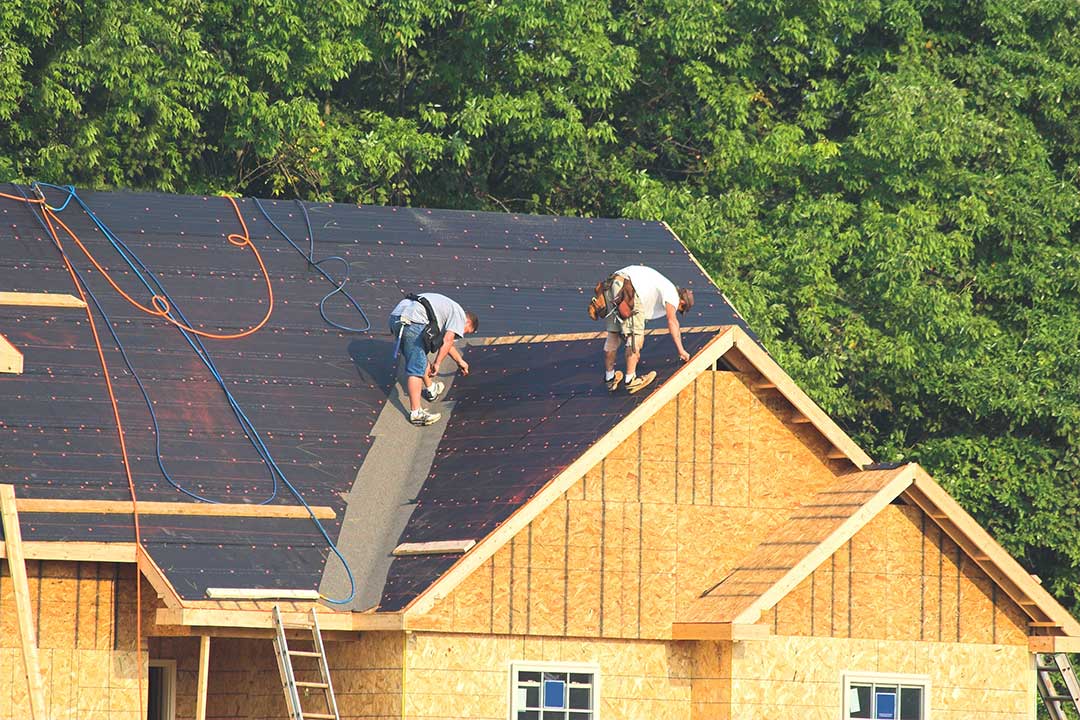
Sealants are not a universal repair. Applying caulk over wet, dirty, or deteriorated materials may hide a problem temporarily without restoring the underlying weather protection. Roofing materials also have temperature limits for proper installation, so late-season repairs may require planning around cold conditions.
What should residents know about ice dams?
Ice dams are ridges of ice that form along colder roof edges while warmer sections of the roof continue to melt snow. They are influenced by attic heat loss, roof design, snow depth, outdoor temperature, and ventilation.
Removing snow from the roof is not always necessary after every snowfall. Snow can often remain safely in place if the roof is properly designed and the load is within safe limits. However, unusually deep snow, heavy wet snow, visible structural sagging, or repeated ice buildup deserves prompt attention.
Never chop at an ice dam with a hammer, shovel, or other sharp tool. That can damage shingles and create a leak. Heat cables also should not be installed casually; improper placement can create electrical, fire, or roof-damage risks.
How can winter roof damage be spotted from inside the house?
Check ceilings, upper walls, and attic spaces after major storms or thawing periods. Early signs may appear far from the actual entry point because water can travel along rafters, roof decking, insulation, or wall cavities.
Warning signs include:
- Brown or yellow ceiling stains
- Fresh paint bubbling or peeling
- Damp insulation
- Dripping near chimneys or vents
- Musty odors
- Frost that repeatedly appears in the attic
- Sagging ceiling materials
If water is near electrical fixtures, turn off power to the affected area only if it can be done safely and without standing in water. Place a container beneath an active drip, move belongings away from the area, and avoid entering a damaged ceiling or attic section that appears unstable.
Are roof snow rakes useful?
A roof snow rake may help remove some snow from a low, accessible roof edge, but it must be used from the ground and according to the tool’s design. Pulling snow aggressively can scrape granules from shingles, damage flashing, or create falling-snow hazards.
Snow removal becomes more complicated on steep, high, or multi-level roofs. The weight of snow is also difficult to judge by appearance, particularly after rain turns light snow into a dense layer. Structural concerns, heavy accumulation, or visible roof movement require a safety-focused assessment rather than improvised removal.
A practical pre-winter checklist
Before the first major storm, confirm that:
- Roof coverings appear intact from a safe viewing position
- Flashing and penetrations show no obvious openings
- Gutters and downspouts are clear and firmly attached
- Tree limbs are not threatening the roof
- Attic insulation is dry and ventilation paths are not blocked
- Ceilings and attic areas show no active leak signs
- Snow-removal tools are accessible and used only where safe
- Emergency supplies such as containers, towels, and a flashlight are available
Winter preparation is mainly about reducing preventable problems before weather limits access. Regular observation, clear drainage, controlled attic airflow, and early attention to visible damage can help a roof handle the season more reliably.