

 See My Latest Article on HelloNation
What Does a Professional Roof Inspection Look Like in Nanticoke, PA?
A professional roof inspection in Nanticoke, PA is a detailed process designed to identify issues, assess overall roof health, and spot anything that might grow into a problem. For local homeowners, inspections play an important role in protecting against the unique mix of seasonal weather—heavy snowfall, summer storms, and freeze-thaw cycles. Understanding each stage of the inspection offers peace of mind and helps households make practical decisions about maintenance.
Why Do Residents Request Roof Inspections?
Residents typically seek an inspection after major storms, when buying or selling a home, or as part of periodic maintenance. In the area, heavy snow loads and ice can create conditions not always visible from the ground, sparking concern over leaks, structural integrity, or shingle damage. Inspections are also helpful when small problems—like missing shingles—may indicate deeper underlying issues.
What Parts of the Roof Get Checked?
The inspection covers all parts critical to roof performance, starting with exterior surfaces and finishing with interior spaces.
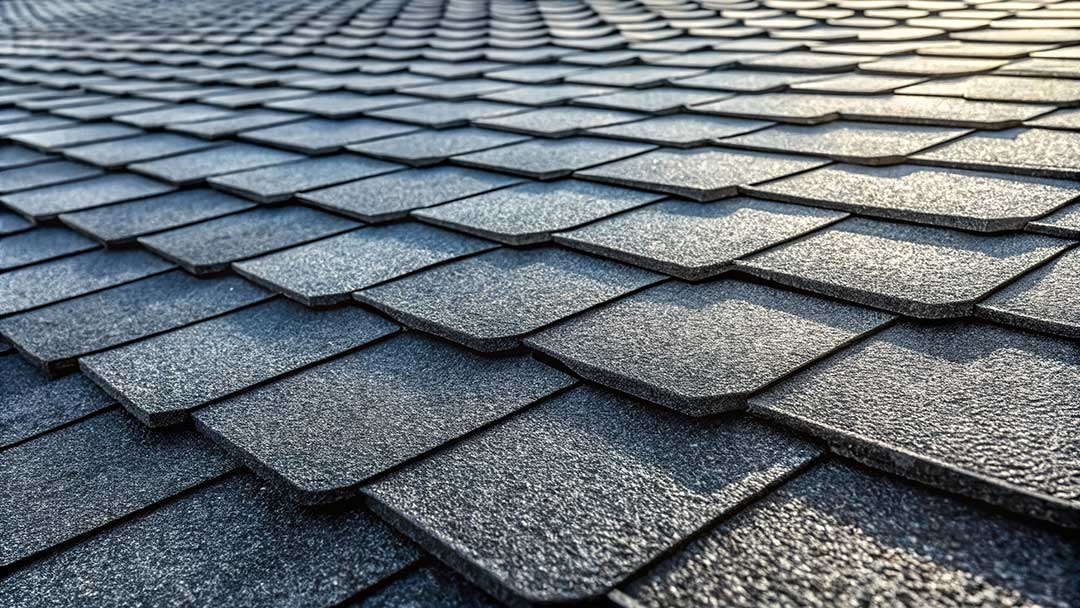
- Shingles or Roofing Material: Checks for missing, curled, cracked, or worn shingles—especially after hail or wind events.
- Flashing and Seals: Metal flashing around chimneys, vents, and skylights can loosen or corrode. Inspectors look for gaps and rust that could let water in.
- Gutters and Downspouts: They're checked for clogs, proper drainage, and damage that can lead to water backup.
- Soffit and Fascia: These components protect the eaves. Inspectors look for water staining, rot, or pest activity.
- Attic and Interior Ceilings: The attic provides clues to hidden problems: water stains, damp insulation, or mold all signal roof leaks.
How Long Does a Roof Inspection Usually Take?
Most standard roof inspections for single-family homes in Nanticoke take between 45 minutes and two hours. Larger or more complex homes might require a bit longer, especially if access is challenging or the inspector is evaluating hard-to-reach areas.
What Tools and Methods Are Used?
A typical inspection involves both visual checks and hands-on examination:
- Binoculars or Drones: These help inspectors observe hard-to-reach or steep sections safely.
- Hand Tools: A probe or screwdriver may be used to gently test soft spots or check flashing.
- Ladders and Harnesses: Safety gear is standard practice, especially on multi-story or steeply pitched roofs.
- Moisture Meters: In the attic or ceiling spaces, inspectors use meters to check for hidden dampness.
- Cameras/Tablets: Photos help document any concerns and provide a visual record of the roof’s condition.
What Problems or Risk Factors Are They Looking For?
The most common roof concerns for local residents revolve around moisture and weather damage. Inspectors specifically look for:
- Ice dams or snow damage from harsh winters
- Signs of wind uplift or storm-tossed shingles after thunderstorms
- Granule loss, which is when small pebbles from shingles collect in gutters (especially after hail)
- Moss, algae, or lichen, which can speed deterioration in shaded or north-facing areas
- Evidence of animal or insect intrusion, particularly given the wooded lots and older roofs common in parts of the city
Will the Inspector Go Into the Attic?
Yes, entering the attic is a critical step. The attic tells stories the exterior can’t: water stains on rafters, moldy insulation, or daylight showing through boards all point to leaks or ventilation problems. Inspectors look for these signs, along with blocked vents or ice damming evidence along roof edges.
Can Homeowners Stay Home During the Inspection?
Homeowners are encouraged to be present, but it's not required. Being there allows residents to ask questions, see issues firsthand, and better understand repair priorities. If weather is poor or a roof is particularly steep, inspectors may spend less time on the roof itself and more time using binoculars, drones, or attic views for safety.
What Happens After the Inspection?
After the inspection, a detailed written report is usually provided. This report breaks down:
- The condition of shingles, flashing, and underlayment
- Any signs of active leaks or water infiltration
- Priority recommendations, including what needs immediate repair versus issues to watch over the next season
In Nanticoke, this report may also include suggestions for ongoing maintenance such as seasonal gutter cleaning or trimming overhanging tree branches, since local weather patterns can stress roofs in different ways throughout the year.
Are Roof Inspections Only Needed for Older Homes?
A common misconception is that only older or visibly damaged roofs require inspections. In reality, roofs of all ages can suffer from weather extremes, debris buildup, or improper installation. Newer homes have been found with minor flashing flaws or manufacturing defects missed during initial construction. Regular roof checks make sense for any age home—especially considering the heavy snow and storms in the region.
What Are Some Signs an Inspection Might Be Needed Soon?
A few red flags suggest scheduling a roof evaluation before the next seasonal change:
- Water spots or stains inside, especially after heavy rain or snowmelt
- Unexplained mold or musty smells in attic spaces
- Higher heating bills, sometimes due to roof leaks or insulation issues
- Noticing bits of shingles or granules on the ground or in gutters
- Damp patches on exterior walls beneath roof lines
Catching issues early can prevent more costly repairs and protect against the risk of interior water damage—a particular concern with the freeze-thaw cycles common to the area.
Is a Roof Inspection Disruptive or Risky to the Roof?
Most inspections leave the roof completely intact, with only gentle checks of loose components. Inspectors are trained to avoid walking on fragile areas whenever possible, often limiting activity to walkable zones or using visual checks for steep or older roofs. Interior inspections focus on observation, not dismantling. Homeowners can resume daily routines immediately after—no cleanup or follow-up needed unless issues are uncovered.