

 See My Latest Article on HelloNation
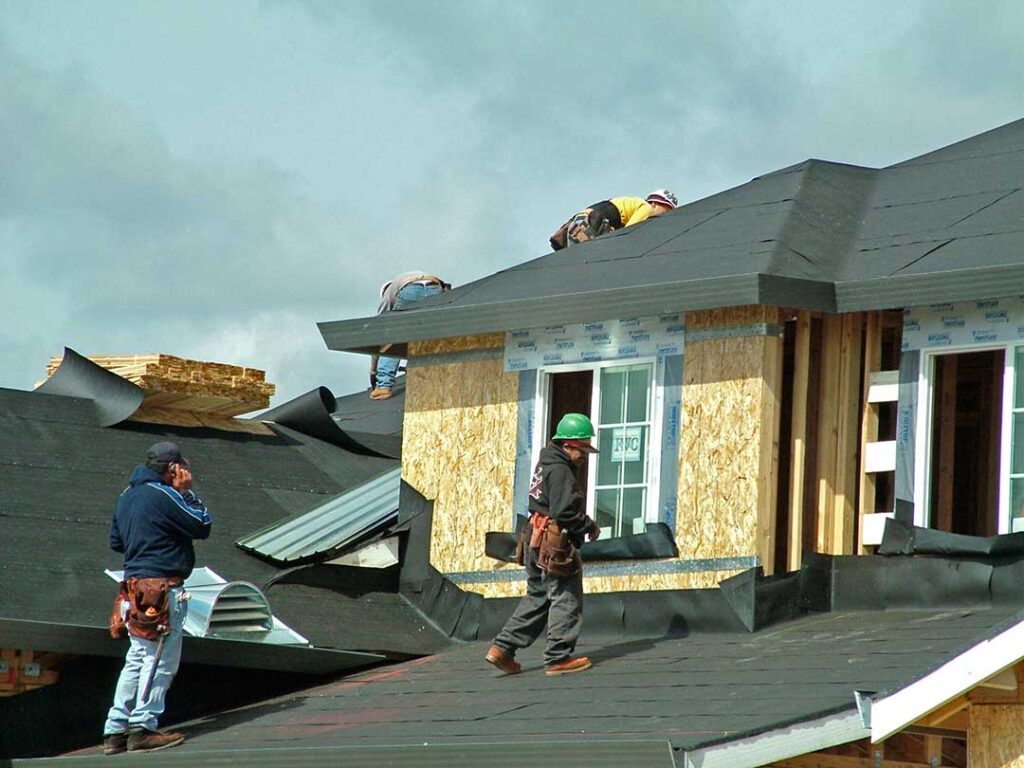
How Does Your Roof Affect Home Energy Efficiency?
The roof is one of the most important parts of any building for controlling heat and energy loss. For residents of Nanticoke, PA, local climate patterns—cold winters, humid summers, and frequent seasonal precipitation—mean that the roof’s role in regulating comfort and energy usage is especially significant.
A well-designed and maintained roof helps reduce unwanted heat loss in winter and limits heat gain during the summer. This can lower energy bills and improve comfort in area homes and apartments.
What Factors Make a Roof Energy Efficient Locally?
Several features contribute to how well a roof resists heat transfer and helps control indoor temperatures in the region:
- Insulation Quality: Adequate attic or roof deck insulation slows the movement of heat, keeping warm air inside during cold winter months and blocking heat from entering in the summer.
- Roofing Material: Some materials, like asphalt shingles, absorb more heat than lighter-colored or reflective materials. Metal roofs with reflective coatings can help deflect summer sunlight.
- Attic Ventilation: Proper airflow in the attic, often overlooked, helps remove excess heat and moisture, reducing strain on air conditioning systems and mitigating problems like ice dams.
- Air Sealing: Gaps around attic hatches, recessed lights, or vent pipes can allow warm air to escape or hot humid air to enter, undermining insulation gains.
- Color and Finish: Lighter roof colors reflect sunlight better than darker ones, decreasing the heat absorbed by the building.
What Roofing Materials Perform Best in the Community?
In the Nanticoke area, traditional asphalt shingles are common, but other options can offer improved efficiency or withstand local weather better:
- Asphalt Shingles: Affordable and widely used, but darker colors can absorb significant heat during July and August.
- Metal Roofing: Increasingly popular for its durability and reflective properties, especially when installed with reflective paint or granular coatings. Performs well in snowy winters.
- Tile and Slate: Less common locally due to weight and cost, these materials do provide thermal mass and resistance to the freeze-thaw cycle.
- Cool Roof Products: Some manufacturers now offer “cool” versions of shingles, metal, or other coverings designed to reflect more sunlight and emit absorbed heat more effectively.
Before selecting a new roofing option, it’s wise to consider how each type will perform through the four distinct seasons, accounting for temperature swings, snow load, and rainfall.
How Does Roof Insulation Affect Energy Costs?
Proper insulation is especially important in the city, given the range of winter lows and humid summer days:
- In Winter: Good insulation keeps expensive heated air from rising up and escaping into the attic or beyond, reducing the demand on heating systems and helping keep the upper floors comfortable.
- In Summer: Insulation acts as a barrier to the sun’s radiant heat, so attics don’t bake and transfer extra warmth into living spaces, which would require additional cooling.
Most houses in the area benefit from adding or updating attic insulation during major roofing work or as a stand-alone project. Common insulation types include fiberglass batts, blown-in cellulose, or spray foam. Depth and coverage are crucial—uneven or incomplete layers reduce effectiveness.
Can Roof Color Make a Difference in Nanticoke?
Roof color does affect how much heat your home absorbs from the sun, mostly on hot, sunny days. Light-colored or reflective roofs can lower summer attic temperatures by several degrees, which may be noticeable on the upper levels of a home. In neighborhoods with a lot of direct sunlight, such as open streets or little tree cover, a lighter option can contribute to overall household comfort and efficiency.
However, because the region has a long heating season as well, the benefits of a dark roof helping to melt winter snow faster may balance out efficiency considerations for some residents.
What Role Does Ventilation Play?
Even a well-insulated roof needs adequate ventilation to manage heat and prevent moisture buildup:
- Prevents Ice Dams: In winter, a cold roof surface (created by good ventilation) keeps melting and refreezing from happening at the eaves, which can cause damaging ice dams.
- Reduces Summer Heat: Allowing hot air to escape in summer helps keep attic temperatures closer to the outdoor air, making insulation more effective and lessening the load on cooling systems.
- Limits Mold and Mildew: By discouraging excess moisture, good airflow helps preserve both roof materials and indoor air quality.
Soffit and ridge vents are common solutions, though existing homes may require upgrades to ensure enough intake and exhaust for modern standards.
Are There Practical Steps Local Homeowners Can Take?
Residents looking to improve their roof’s energy performance often start with a few practical measures:
- Check attic insulation levels and look for compressed, missing, or damp insulation
- Seal air leaks in ceiling penetrations, such as around vents, fans, and light fixtures
- Ensure attic vents are open, clear, and not blocked by insulation or debris
- Consider re-roofing with a lighter color or more reflective material at end-of-life replacement
- Clear gutters and downspouts regularly to prevent water issues that can impact insulation and ventilation
While not all improvements require roof replacement, addressing insulation and ventilation during any roofing work can often be done more efficiently and cost-effectively than as separate projects.
What Are Common Myths or Misunderstandings?
- “Only the walls matter for energy efficiency.” The roof is often the biggest pathway for heat loss or gain—sometimes even more than walls.
- “Adding insulation once is enough.” Insulation effectiveness can decrease over time due to settling or moisture intrusion, so periodic checks are worthwhile.
- “A darker roof will always be more efficient in cold climates.” While dark roofs do absorb some winter sunlight, any efficiency gain is often offset by unwanted summer heat absorption without sufficient ventilation.
By understanding these aspects, area homeowners can better manage comfort, costs, and building durability, especially in the face of local weather challenges.